


Custom mobile apps built for growth, retention, and scale
We help businesses turn product ideas into polished mobile experiences with clear user journeys, stable architecture, and launch-ready delivery. Whether you need native iOS and Android apps or a cross-platform product, we focus on commercial outcomes, user experience, and long-term maintainability.
Product strategy and mobile UX aligned with activation and retention goals
Secure authentication, backend APIs, payments, analytics, and push notifications
Release planning, QA testing, and App Store or Google Play launch support
Scalable architecture for startups, internal tools, and enterprise workflows

Built for business results
Mobile app development should do more than ship a build. It should support customer growth, retention, and operational clarity.
Revenue growth
We shape core flows around bookings, subscriptions, transactions, and lead capture so the app supports measurable business outcomes.
Customer engagement
Better onboarding, cleaner UX, notifications, and retention loops help users return and complete more valuable actions.
Operational efficiency
Mobile apps can streamline booking, support, reporting, approvals, and field workflows so teams work with less friction.
Mobile app development services built around product goals
From MVP planning to post-launch iteration, we build mobile products that support customer acquisition, conversion, retention, and operational efficiency.
MVP app development
Launch faster with focused features, conversion-ready UX, and a roadmap that supports validation without unnecessary build complexity.
iOS and Android app development
Build native mobile apps when performance, platform-specific UX, and deeper device capability matter most.
Cross-platform app development
Ship efficiently across iOS and Android with React Native or Flutter when shared codebase speed and budget efficiency matter.
Mobile UI/UX design
Shape onboarding, booking, dashboards, checkout, subscriptions, and account flows that feel intuitive and reduce drop-off.
Backend, APIs, and admin systems
Connect apps to secure authentication, data models, dashboards, notifications, third-party services, and reporting workflows.
Payments, subscriptions, and retention features
Implement commerce flows, in-app purchases, loyalty mechanics, messaging, and notifications that support recurring engagement.
QA, launch, and support
Prepare store-ready releases, reduce regression risk, and keep improving the app with maintenance, analytics, and feature updates.
Why businesses invest in mobile app development services
Mobile app development services help businesses create faster customer journeys, stronger retention loops, and better operational visibility. A well-built app can support bookings, transactions, subscriptions, support workflows, field operations, and daily user engagement in a more direct way than a browser-only experience.
Related: Cross Platform App Development · Hire Flutter Developer · Healthcare App Development · Ecommerce App Development · Fintech App Development · Portfolio · Contact Us
Custom iOS app development, Android app development, and cross-platform delivery
Mobile UX, prototyping, product thinking, and commercial flow planning
Secure backend integration, analytics, notifications, payments, and support workflows
Launch planning, QA, release management, and long-term optimization
Benefits of choosing Devsrank for mobile app development
Our mobile app development approach is designed for businesses that need stronger user engagement, cleaner operations, and a more reliable path from idea to launch.
Mobile app development comparison
Businesses often compare native vs cross-platform, custom vs template, and agency vs freelancer before committing to a mobile roadmap. The right choice depends on performance needs, budget, speed, and long-term product plans.
Mobile app development pricing insight
Exact pricing depends on scope, platforms, integrations, and compliance needs. These are general U.S. planning bands for custom app projects, not fixed quotes, and they are best used as budgeting guidance before discovery.
Best for focused first releases with a small feature set, a clear user journey, and limited integrations.
Fits products with richer UX, multiple user roles, backend logic, payments, analytics, and stronger QA needs.
Typical for multi-role apps, advanced integrations, regulated workflows, or products with complex operational requirements.
What affects mobile app cost
Native versus cross-platform architecture
Number of user roles, screens, and workflows
Payments, chat, maps, media, or real-time features
Backend complexity, admin tools, and third-party integrations
Security, compliance, and testing requirements
Post-launch support, analytics, and feature iteration plans
Platform and security guidance we align with
We align mobile app delivery with platform, UX, and security guidance that teams already rely on when planning high-quality launches.
Ready to plan your mobile app development roadmap?
Talk with Devsrank about your product goals, user flows, technical constraints, and launch priorities. We can help you decide the right delivery model and turn the scope into a practical build plan.
Mobile App Development Technology
Modern mobile frameworks, backend tooling, product design systems, and analytics workflows chosen to fit performance goals, release speed, and long-term maintainability.







Our Mobile App Development Process
A structured delivery process that reduces guesswork, keeps product decisions visible, and supports reliable launch execution across iOS, Android, and cross-platform products.
Discovery & Requirements
We define goals, target users, success metrics, core workflows, and feature priorities so the product scope reflects actual business needs.
UI/UX Design
We design wireframes and polished mobile screens around usability, conversion, accessibility, and platform guidance for iOS and Android.
Architecture & Development
We build the app with the right stack, connect backend systems, and implement scalable architecture, secure APIs, and reliable business logic.
QA Testing
We test key user flows, edge cases, devices, responsiveness, and release risk so the product is stable before store submission.
App Store & Google Play Launch
We prepare builds, listing assets, submission workflows, and rollout support so launch is predictable and store-ready.
Maintenance & Growth
After launch, we support monitoring, fixes, analytics review, feature iteration, and roadmap planning for continuous product improvement.
Relevant Case Studies
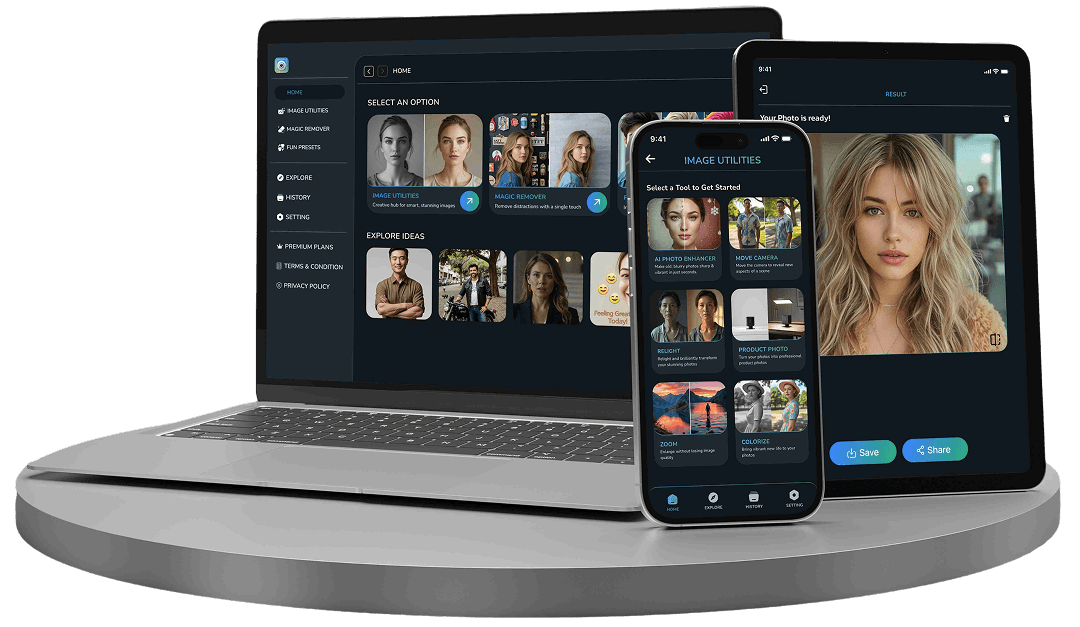
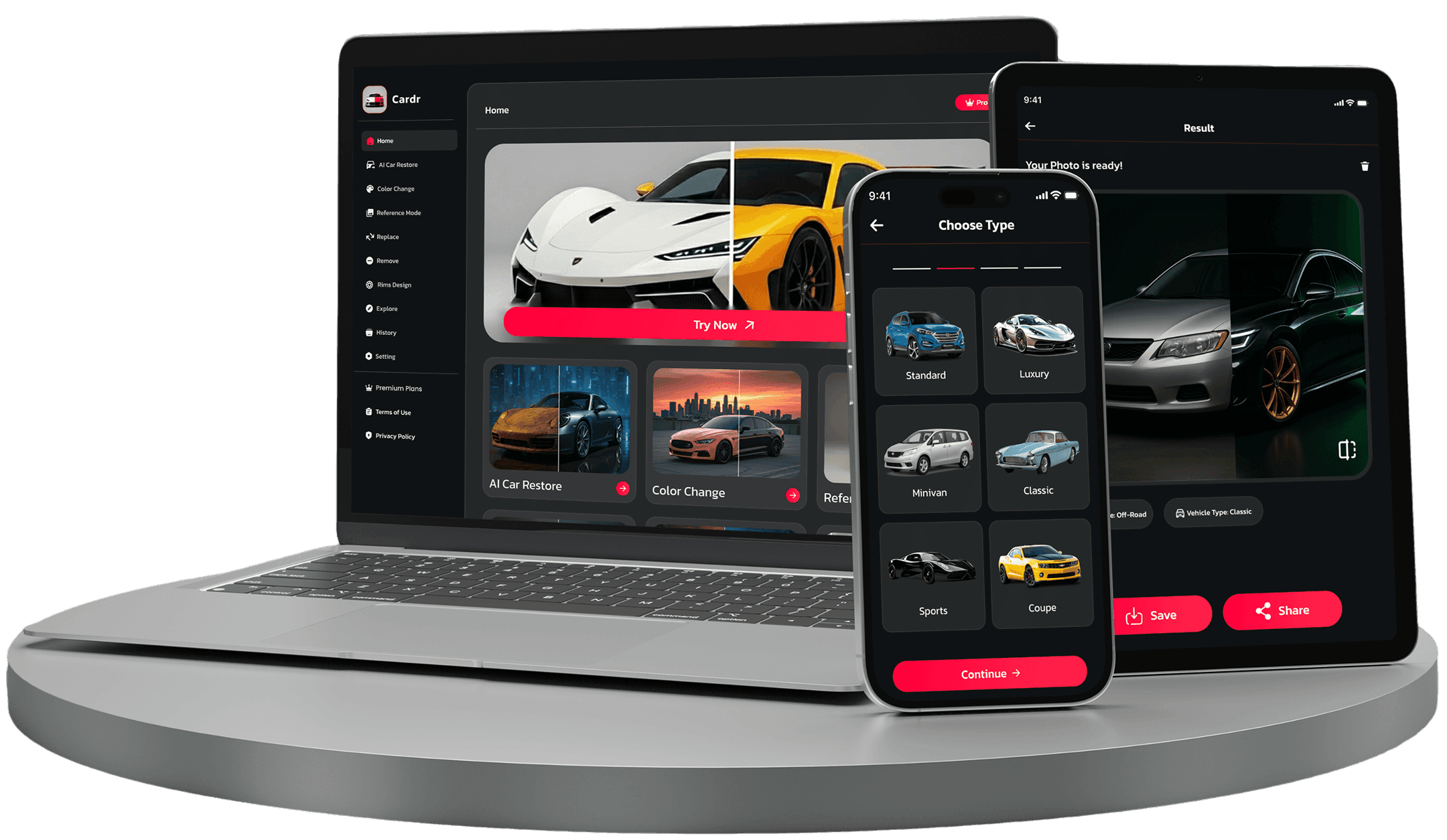
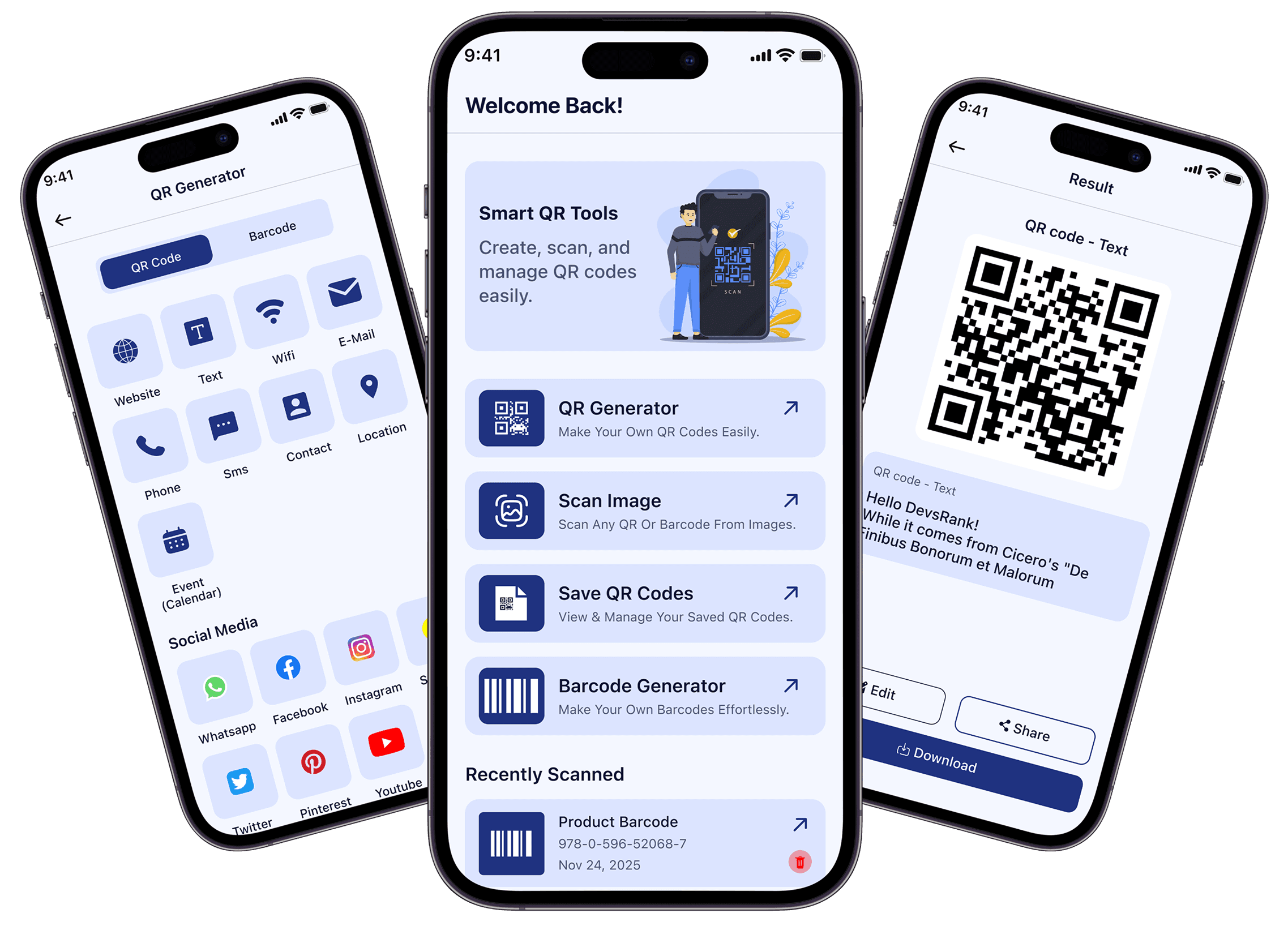
Explore selected product work that reflects how we approach UX, engineering quality, and launch readiness across mobile and digital product delivery.
Devsrank In Our Clients' Words
Feedback from teams that value clear communication, practical product thinking, and dependable engineering delivery.
5 Rating out of 5
17 ratings
from verified clients
Emily Carter
Founder, E‑commerce Brand
We hired Devsrank to rebuild our storefront and speed up the checkout. Communication was clear, timelines were realistic, and the team fixed issues quickly without cutting corners. Our site is noticeably faster and conversions improved.
Mobile app review
Michael Thompson
Product Manager, SaaS
Devsrank helped us ship a new onboarding flow and clean up technical debt. They asked the right questions, shared progress proactively, and delivered solid code we could maintain. The handover was smooth and well documented.
Mobile app review
Olivia Martinez
Operations Lead, Local Services
We needed a small CRM-style web app for our team. Devsrank kept the UI simple, implemented exactly what we needed, and guided us through decisions we weren’t sure about. Support after launch has been responsive.
Mobile app review
Emily Carter
Founder, E‑commerce Brand
We hired Devsrank to rebuild our storefront and speed up the checkout. Communication was clear, timelines were realistic, and the team fixed issues quickly without cutting corners. Our site is noticeably faster and conversions improved.
Mobile app review
Michael Thompson
Product Manager, SaaS
Devsrank helped us ship a new onboarding flow and clean up technical debt. They asked the right questions, shared progress proactively, and delivered solid code we could maintain. The handover was smooth and well documented.
Mobile app review
Olivia Martinez
Operations Lead, Local Services
We needed a small CRM-style web app for our team. Devsrank kept the UI simple, implemented exactly what we needed, and guided us through decisions we weren’t sure about. Support after launch has been responsive.
Mobile app review
Industries We Serve
We adapt mobile app development to the real workflows, customer expectations, and compliance needs of each market instead of forcing the same product model across every industry.
Mobile app development FAQs
Mobile App Development FAQs
Answers about mobile app development cost, timelines, native vs cross-platform choices, launch readiness, and long-term product support.

A mobile app development company helps businesses plan, design, build, test, launch, and improve mobile products. That usually includes product strategy, UI/UX, iOS or Android development, backend integrations, QA, store submission support, analytics setup, and post-launch maintenance so the app can keep improving over time.
Native mobile app development is usually better for advanced performance, device-specific features, and platform-specific UX. Cross-platform development is often better when faster time to market and shared codebase efficiency matter most. The right choice depends on product requirements, budget, speed, and your long-term maintenance plan.
Timeline depends on feature scope, platform choice, design complexity, integrations, and testing depth. A focused MVP may take a couple of months, while larger products often take several months or more. The most reliable timeline comes after discovery, once user flows, priorities, and technical dependencies are clearly defined.
Mobile app development cost depends on feature depth, platforms, integrations, compliance needs, design complexity, and support scope. Simple MVPs usually cost less than feature-rich multi-role apps or regulated products. A realistic estimate should separate discovery, design, engineering, testing, launch, and maintenance so the budget matches real delivery work.
Yes. Devsrank supports native iOS development, native Android development, and cross-platform app development with React Native or Flutter. The best delivery model depends on your product goals, performance needs, budget, release speed, and how much platform-specific functionality your business needs from the app.
Yes. Mobile app launch support typically includes release builds, listing guidance, screenshots, testing-track setup, signing workflows, and submission readiness for both major stores. This helps businesses reduce launch friction and avoid common issues tied to policy compliance, unstable builds, missing assets, or last-minute release errors.
Yes. Most mobile products need ongoing support after launch because operating systems change, bugs appear, features evolve, and user feedback creates new priorities. Ongoing maintenance helps protect app quality, improve retention, and keep the mobile product aligned with real business goals instead of stagnating after release.
A first mobile release should focus on the smallest set of features that solve a real user problem and support a measurable business goal. That usually includes onboarding, core actions, account flows, notifications, analytics, and support workflows. Shipping too many features early often slows release and weakens product clarity.
Security and scalability come from disciplined architecture, not just adding tools late. We plan secure authentication, careful API design, role-based access, testing, performance review, and maintainable backend structure from the start. That makes it easier to support growth, reduce avoidable risk, and improve the product without unstable rework.
Have a project in mind?
Ready to start your project?
Share your goals, timeline, and requirements. We’ll respond with a clear next step, a realistic delivery plan, and the best tech approach for your product.
A quick discovery call to understand your needs
A scope + timeline with clear milestones
A build plan focused on speed, SEO, and conversions
Fast replies (typically within 24 hours)